
What is Artificial Intelligence (AI)?

In this blog, we will take a deep dive into what AI is, how it works, and why it is important for businesses to adopt it. We will also explore the advantages and disadvantages of AI and its applications in marketing, finance, accounting, operations, and supply chain management.
Artificial Intelligence (AI) is the intelligence displayed by machines that mimic human thinking and decision-making capabilities. This technology has transformed various industries and can be used to automate mundane tasks, improve efficiency, and personalize experiences. AI/ML development services are crucial for organizations looking to stay ahead of the game.
Understanding Artificial Intelligence
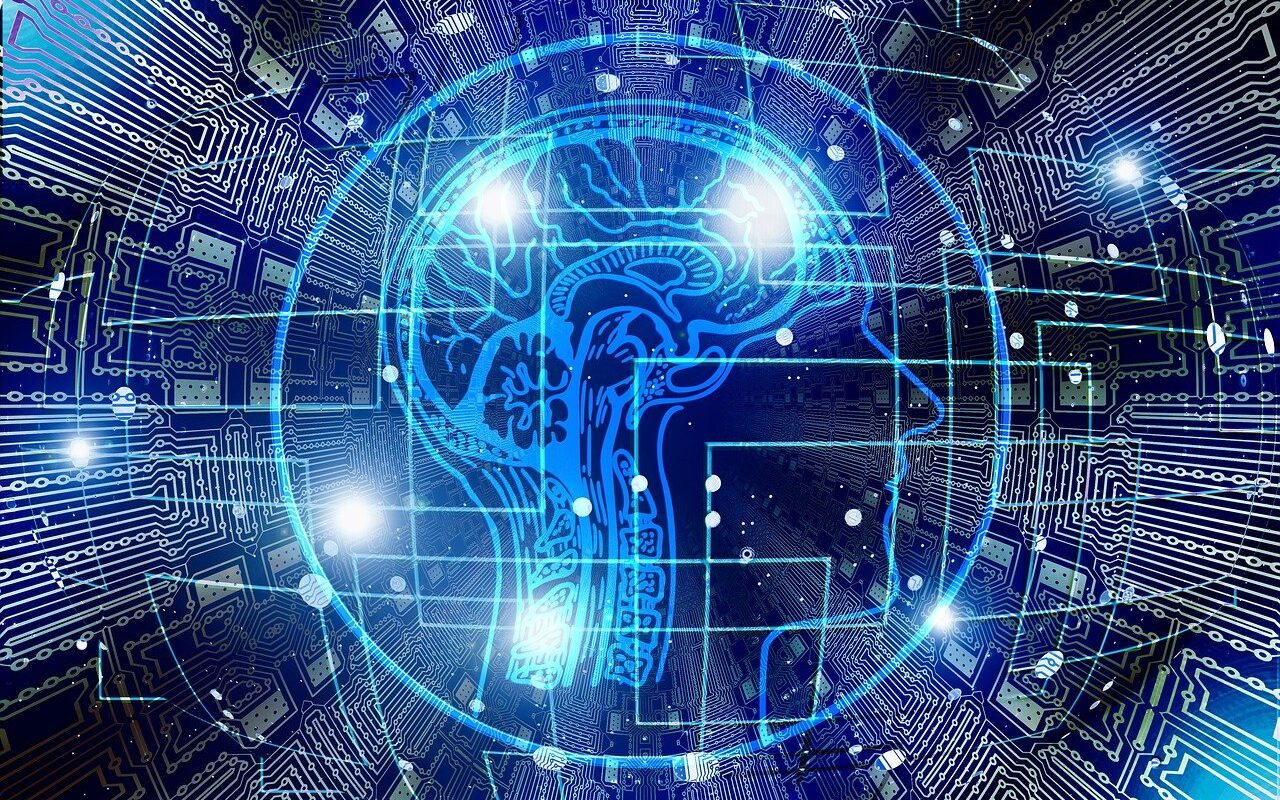
Artificial Intelligence (AI) is a branch of computer science that aims to build intelligent machines that can perform tasks without human intervention. AI enables computers and robots to make informed decisions based on data, learn from their experiences, and exhibit human-like traits such as problem-solving and learning. Intelligent agents created by AI are capable of solving complex problems through search, games, machine learning, and constraint satisfaction. Machine learning is a subset of AI that allows computer programs to automatically learn from new information without the need for human assistance. In short, Artificial Intelligence is a technology that simulates human intelligence and has the potential to revolutionize the way we live and work.
What is Artificial Intelligence?
Artificial intelligence (AI) refers to machines that can perform tasks that typically require human intelligence. This includes a wide range of technologies such as machine learning, natural language understanding, and robotics. AI is becoming increasingly prevalent in our daily lives, with examples ranging from self-driving cars to smart assistants like Siri and Alexa.
One of the most exciting aspects of AI is its potential to inspire new types of brain-inspired circuits and architectures that can make data-driven decisions faster and more accurately than humans. While some AIs can match humans in specific tasks, there are currently no AIs that can perform the wide variety of tasks an ordinary human can do. Overall, understanding AI is essential for anyone who wants to stay up-to-date with the latest technological developments and their impact on society.
How does Artificial Intelligence Work?

Artificial Intelligence (AI) is a term used to describe the ability of machines to mimic human intelligence and cognitive processes. AI is achieved through machine learning, computer vision, natural language understanding, and robotics, which enable machines to make autonomous decisions. The goal of AI is to allow machines to perform tasks that typically require human intelligence and improve upon human capabilities.
AI is not a single technology but an umbrella term that includes various software and hardware components. These components work together to enable machines to learn from data, recognize patterns, and make decisions based on the information they receive. In the future, AI is expected to develop brain-inspired circuits and architectures for faster and more accurate decision-making. This will bring about even more advanced applications of AI in various industries such as healthcare, finance, and transportation.
Why is artificial intelligence important?
AI technology can help businesses automate and optimize their operations, saving time and resources. AI is an essential and growing part of our daily lives, from voice assistants like Siri to self-driving cars. It also provides insights into business operations that companies may not have been aware of previously. There are several approaches to AI, such as machine learning and deep learning, which enable machines to model and improve upon human capabilities. As an umbrella term, AI encompasses any software or hardware component that supports machine learning, computer vision, natural language understanding, and robotics. The importance of AI lies in its ability to increase efficiency in organizations while creating new business opportunities through innovative approaches.
What are the advantages and disadvantages of artificial intelligence?
Artificial Intelligence (AI) has become increasingly popular for its ability to process large amounts of data faster than humans can, delivering consistent results. This technology reduces both the time and cost of completing tasks, leading to improved productivity and efficiency in various industries. AI also improves the quality of life by taking over routine and complicated tasks that are better suited for machines.
However, there are some disadvantages to AI as well. It poses risks to privacy and job security while exacerbating racism and causing unemployment. Soft computing, including neural networks and fuzzy logic, is tolerant of imprecision and uncertainty. While there are advantages to using AI, it's important to consider the risks associated with this technology as well.
Examples of Applications/Uses of AI
AI Applications in Operations and Supply Chain Management
Artificial Intelligence (AI) has several practical applications in business and industry. In operations and supply chain management, AI can optimize product inventory and logistics, improving overall efficiency. AI as a service allows for cost-effective experimentation with various AI platforms to find the best fit for specific business needs.
Learning the fundamentals of AI can also help solve real-world problems in operations management. Additionally, AI-enabled robots using Natural Language Processing are improving customer service in retail and hospitality industries. Another example is machine learning-based financial fraud detection, a practical application of AI in the finance sector. Overall, AI has tremendous potential to revolutionize various aspects of business and industry through its intelligent problem-solving capabilities.
AI in Business and Industry

Artificial Intelligence (AI) has a broad range of applications in business and industry, including product optimization, inventory planning, and logistics. AI is used to develop voice assistants, facial recognition software, and financial fraud detection systems. AI has the ability to solve real-world problems such as games, search engines, and machine learning.
Moreover, AI provides personalized suggestions based on an individual's online behavior. It can also perform tasks requiring human intelligence and discernment. AI is already capable of performing many high-level functions that were once believed to be unique to humans. As technology continues to advance, we can expect AI to play an even more significant role in enhancing our daily lives.
If you are looking for AI development, web development, mobile app development, MVP development and other IT services to grow your business, be sure to check Techwink Services website.
AI Applications in Marketing and Sales
AI has become a game-changer in various industries, including business and marketing. In the business world, AI can provide personalized product recommendations, optimize inventory planning, and improve logistics. It is also being used in daily life applications such as search engines, recommendation systems, virtual assistants, and facial recognition.
In marketing and sales specifically, AI is used to personalize online shopping experiences by providing targeted recommendations and digital personal assistants. Additionally, it can automate grading and assessment processes in education while providing personalized support to students.
AI is also being integrated into analytics and customer relationship management platforms to better serve customers and automate job positions. Moreover, it has the potential to disrupt financial institutions in personal finance applications. Overall, the use of AI has revolutionized various industries and continues to offer exciting opportunities for growth and innovation.
AI Applications in Finance and Accounting
Artificial Intelligence (AI) is being increasingly used in the business and industry sectors to improve efficiency and decision-making. In finance and accounting, AI is applied to tasks such as improving decision-making for loans, credit limits, and investment opportunities. It is also used for trading, making it easier to estimate the supply, demand, and pricing of securities.
AI-as-a-service (AIaaS) allows individuals and companies to experiment with AI for business purposes. Other applications of AI in business include product optimization, inventory planning, logistics, cybersecurity, customer relationship management, and fraud detection.
In addition to helping businesses save time and money, AI virtual assistants can cut costs associated with complying with banking regulations. As technology continues to advance, we can expect even more applications of AI in the finance industry.
Conclusion
Artificial Intelligence is a technology that has revolutionized the world in recent times. It involves the use of computer systems to perform tasks that would otherwise require human intelligence. With the power of AI, we can automate routine tasks, improve customer service, and make more informed decisions. However, with great power comes great responsibility. It's important to consider both the advantages and disadvantages of AI before implementing it in a business or industry. If you're looking for AI development services, be sure to check out our website for more information on how we can help you leverage the latest AI technologies to achieve your business goals.