
Choosing the Right AWS Serverless Solution: Fargate vs. Lambda Showdown
In the world of cloud computing, serverless architecture has gained immense popularity due to its efficiency, scalability, and cost-effectiveness. Among the prominent serverless options provided by Amazon Web Services (AWS) are AWS Fargate and AWS Lambda. But how do you choose the right AWS serverless solution for your specific needs? In this article, we'll delve into a comparative analysis of Fargate and Lambda to help you make an informed decision.
Understanding Serverless Computing
Before we jump into the Fargate vs. Lambda showdown, let's grasp the fundamentals of serverless computing.
Definition and Benefits
Serverless computing, in a nutshell, is a cloud computing model where the cloud provider dynamically manages the allocation of machine resources. In this model, you don't need to worry about provisioning servers or managing infrastructure. Instead, you focus solely on writing code, and the cloud provider takes care of the rest.
The primary benefits of serverless computing include:
- Scalability: Serverless applications can easily scale up or down based on demand, ensuring optimal performance and cost-efficiency.
- Cost-Efficiency: You only pay for the resources you use, which can lead to significant cost savings.
- Reduced Operational Overhead: With no server management responsibilities, your development teams can focus on writing code and delivering features.
Now that we've established the importance of serverless computing, let's take a closer look at two of AWS's most popular serverless offerings: AWS Fargate and AWS Lambda.
AWS Fargate in Depth
Introduction to AWS Fargate
AWS Fargate is a container management service that allows you to run containers without managing the underlying infrastructure. It's a serverless option designed for running containerized applications.

Use Cases
Fargate is an excellent choice for the following use cases:
- Microservices: If your application is built using a microservices architecture, Fargate can simplify the deployment and scaling of these services.
- Long-Running Tasks: Fargate is ideal for tasks that require extended periods of computation, such as data processing, machine learning, or background jobs.
- Multi-Container Applications: If your application consists of multiple containers that need to communicate with each other, Fargate simplifies orchestration.
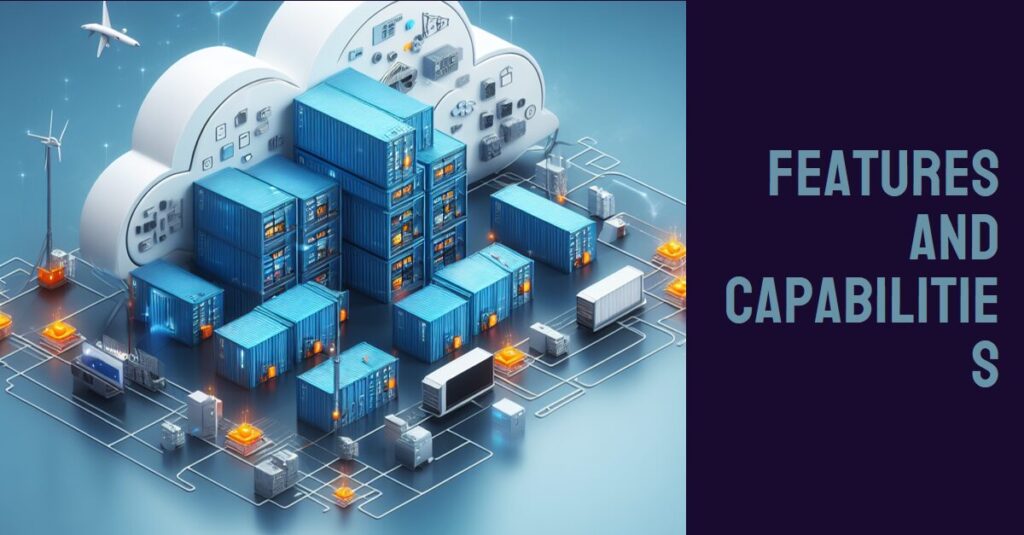
Features and Capabilities
AWS Fargate offers several features and capabilities:
- Isolation: Fargate containers are isolated from each other, providing better security and resource management.
- Auto Scaling: It can automatically scale based on resource demand, ensuring optimal performance.
- Easy Deployment: Fargate integrates with Amazon Elastic Container Registry (ECR) and Amazon Elastic Container Service (ECS), making it easy to deploy your containers.
Cost Considerations
Fargate uses a pay-as-you-go pricing model, where you are billed based on the vCPU and memory you allocate to your tasks. While this provides cost predictability, it's essential to manage your resources efficiently to avoid overspending.
Introduction to AWS Lambda
AWS Lambda is a compute service that runs your code in response to events and automatically manages the compute resources. It's a fully managed serverless computing service.

Use Cases
Lambda is well-suited for the following use cases:
- Event-Driven Processing: Lambda can respond to a variety of events, such as HTTP requests, changes to data in an S3 bucket, or database updates.
- Real-Time File Processing: If your application requires real-time processing of files or data, Lambda can be a powerful tool.
- IoT Data Processing: For Internet of Things (IoT) applications, Lambda can process and analyze data from devices in real-time.
Features and Triggers
AWS Lambda comes with a range of features:
- Auto Scaling: Like Fargate, Lambda scales automatically based on incoming events, ensuring responsiveness.
- Integrated Services: Lambda can easily integrate with other AWS services, allowing you to build complex, serverless architectures.
- Extensive Language Support: It supports a variety of programming languages, making it versatile for different use cases.
Cost Considerations
Lambda follows a "pay for what you use" model, charging you based on the number of requests and the compute time consumed by your functions. While this granular billing can be cost-effective, it's crucial to manage your functions' execution time and memory to control costs.
Comparative Analysis: Fargate vs. Lambda
Now that we've covered the basics of Fargate and Lambda, let's conduct a side-by-side comparison.
Performance and Scalability
Fargate:
Fargate offers more control over your container environment, making it suitable for applications with specific resource requirements. It's excellent for long-running tasks and is highly customizable. If you need consistent and predictable performance, Fargate is the way to go.
Lambda:
Lambda is designed for highly event-driven, short-duration tasks. It excels in rapid scaling, handling bursts of requests, and responding to events. However, it provides less control over the underlying environment, which may not be suitable for applications with specific resource needs.
Cost Efficiency
Fargate:
Fargate's pricing is based on vCPU and memory allocation, which provides cost predictability. However, for spiky workloads or tasks that require short bursts of high performance, you might pay for unused resources.
Lambda:
Lambda's pay-as-you-go model is excellent for workloads with sporadic and unpredictable event triggers. You only pay when your functions are running, making it cost-efficient for many use cases. However, it may not be as predictable for workloads with constant high demand.
Use Case Scenarios
Fargate:
Consider Fargate when you have applications that rely on containers and demand consistent performance, such as microservices, long-running tasks, and multi-container applications.
Lambda:
Lambda is perfect for applications that are event-driven, require rapid scaling, and have sporadic bursts of activity, like web APIs, real-time file processing, and IoT data processing.
Integrations and Ecosystem
Fargate:
Fargate can integrate with services like Amazon ECR and Amazon ECS, which are ideal for container orchestration. It's suitable for applications that need tight control over container management.
Lambda:
Lambda seamlessly integrates with various AWS services, allowing you to build complex serverless architectures easily. It's great for applications that rely on diverse AWS services.
Case Studies
To better understand how Fargate and Lambda perform in the real world, let's explore a couple of case studies.
Case Study 1: Fargate in Action
Imagine you're running a video processing service for a video-sharing platform. Users upload videos, and you need to process and transcode these videos into multiple formats for optimal streaming. This process can be resource-intensive and time-consuming.
In this scenario, AWS Fargate could be a perfect fit. You can package your video processing code into containers, and Fargate handles the deployment, scaling, and resource management. This ensures your video processing tasks are efficiently executed without the need to provision or manage servers.
Case Study 2: Lambda at Work
Now, consider a serverless chat application where users exchange real-time messages. You need a service that can handle message delivery, notification, and user authentication. AWS Lambda is a great choice for this use case.
Lambda can respond to message events in real-time, ensuring that notifications are sent promptly, and messages are delivered without delay. It also integrates seamlessly with other AWS services for user authentication and data storage. With Lambda's automatic scaling, you don't have to worry about fluctuations in user activity.
Analysis of the Advantages and Challenges
In these case studies, we can see the advantages and challenges faced by each service:
Fargate:
- Advantages: Precise resource control, great for long-running tasks, high customization.
- Challenges: Potentially higher costs for unused resources, more management overhead.
Lambda:
- Advantages: Rapid scaling, perfect for event-driven applications, seamless integration.
- Challenges: Limited control over resources, may not be cost-effective for consistent high-demand workloads.
Selecting the Right AWS Serverless Solution
Now that we've examined the strengths and weaknesses of Fargate and Lambda, how do you go about selecting the right AWS serverless solution for your project? Here are some factors to consider:
Workload Type and Characteristics
Understand the nature of your workload. Is it event-driven, long-running, or a mix of both? Tailor your choice to the workload's characteristics.
Resource Control
Consider how much control you need over the underlying infrastructure. If you require precise resource management, Fargate might be the better option.
Cost Structure
Evaluate your cost structure. For workloads with varying demand, Lambda's granular billing might be advantageous. If you need cost predictability, Fargate's pricing model could be more suitable.
Integration Needs
Assess the level of integration required with other AWS services. Lambda has an extensive ecosystem of integrations, making it versatile for various use cases.
Future Scalability
Consider the future scalability of your application. If you anticipate rapid growth, Lambda's automatic scaling can be a significant advantage.
Experimentation
Don't be afraid to experiment. AWS provides a generous free tier for both Fargate and Lambda, allowing you to try them out before committing to a specific service.
Future Trends in AWS Serverless Computing
As technology continually evolves, it's essential to stay informed about emerging trends in AWS serverless computing. Some notable trends to watch for include:
- Custom Runtimes: AWS Lambda is expected to support custom runtimes, allowing developers to use languages and libraries not natively supported.
- Edge Computing: AWS is expanding its serverless offerings at the edge, enabling serverless applications to run closer to the end-users, reducing latency.
- More Advanced Triggers: Expect to see more advanced trigger options for Lambda, making it even more versatile for various use cases.
Conclusion
In the ever-evolving world of cloud computing, choosing the right serverless solution is crucial for the success of your projects. AWS offers two powerful options: Fargate and Lambda, each with its strengths and ideal use cases. By considering the nature of your workload, resource control, cost structure, integration needs, and future scalability, you can make an informed decision.
Whether you opt for AWS Fargate or AWS Lambda, embracing serverless architecture empowers your business to focus on innovation and delivering value without the complexities of managing infrastructure. So, which AWS serverless solution will you choose for your next project?