
Node vs Python: A Comparative Analysis for Web Development
Selecting the right technology stack is crucial as it can significantly impact your project's performance, scalability, and development speed.
In the world of web development, choosing the right programming language and framework is a crucial decision. Two popular choices for building web applications are Node.js and Python. Node.js, known for its server-side capabilities, and Python, a versatile and widely used language, both have their strengths and weaknesses. In this article, we'll perform a comparative analysis of Node vs Python for web development to help you make an informed decision when selecting the right technology for your projects.
Introduction
Node.js is an open-source, cross-platform runtime environment that allows developers to execute JavaScript code on the server side. It is built on Chrome's V8 JavaScript engine and has gained popularity for its non-blocking, event-driven architecture.
Python, on the other hand, is a versatile, high-level programming language known for its readability and versatility. It has been widely adopted in various domains, including web development.
Node.js and Python each offer unique features and capabilities that make them suitable for different scenarios. To make an informed decision, we'll explore their strengths, weaknesses, and use cases.
This article aims to provide a detailed comparison of Node.js and Python for web development, considering aspects like performance, scalability, community support, and the learning curve. By the end, you should have a clearer understanding of when and why to choose one over the other.
Node.js for Web Development
Node.js is a server-side runtime environment that allows developers to write server code using JavaScript. It's built on the V8 JavaScript engine and provides a non-blocking, event-driven architecture, making it efficient for handling multiple client requests simultaneously.
Key Features and Advantages
- Event-Driven Model: Node.js uses an event loop that allows it to handle many concurrent connections efficiently.
- Fast Execution: JavaScript V8 engine's speed ensures that Node.js code runs quickly.
- Rich Ecosystem: Node.js has a vast library of packages and modules available through npm (Node Package Manager).
Node.js is well-suited for real-time applications and situations where high concurrency is required. It's commonly used for developing chat applications, online gaming, and streaming platforms. Its non-blocking nature is particularly advantageous in scenarios where low latency is critical.
Code Examples Highlighting Node.js

One of Node.js's standout features is its performance, which can be attributed to its non-blocking, event-driven architecture. When handling I/O-bound tasks, such as reading and writing data from and to databases, Node.js can serve multiple client requests simultaneously without blocking any of them. This is particularly advantageous in scenarios where low latency is essential, like real-time chat applications or online gaming.
Scalability is another area where Node.js shines. Due to its event-driven model and lightweight threads, it can easily scale horizontally by adding more instances. This makes it well-suited for applications that may experience sudden spikes in traffic, as it can efficiently distribute the load across available resources.
Node.js is also known for its efficient memory usage. Since it uses a single-threaded event loop, it doesn't require a lot of memory for each concurrent connection. This, in turn, allows it to support a large number of concurrent users with relatively low hardware requirements.
Python for Web Development
Python is a versatile, high-level programming language known for its simplicity and readability. It offers a range of frameworks and libraries suitable for web development, making it a popular choice among developers.
Strengths and Benefits of Web Development
- Ease of Learning: Python's straightforward syntax makes it an excellent choice for beginners.
- Django and Flask: Python boasts powerful web frameworks like Django and Flask, which simplify web application development.
- Diverse Applications: Python is used in various web-related tasks, from building web applications to web scraping and data analysis.
Python is widely used for developing content management systems (CMS), e-commerce platforms, and data-driven web applications. It's also a popular language for data science and machine learning, which often involve web interfaces.
Code Snippets Demonstrating Python's Capabilities
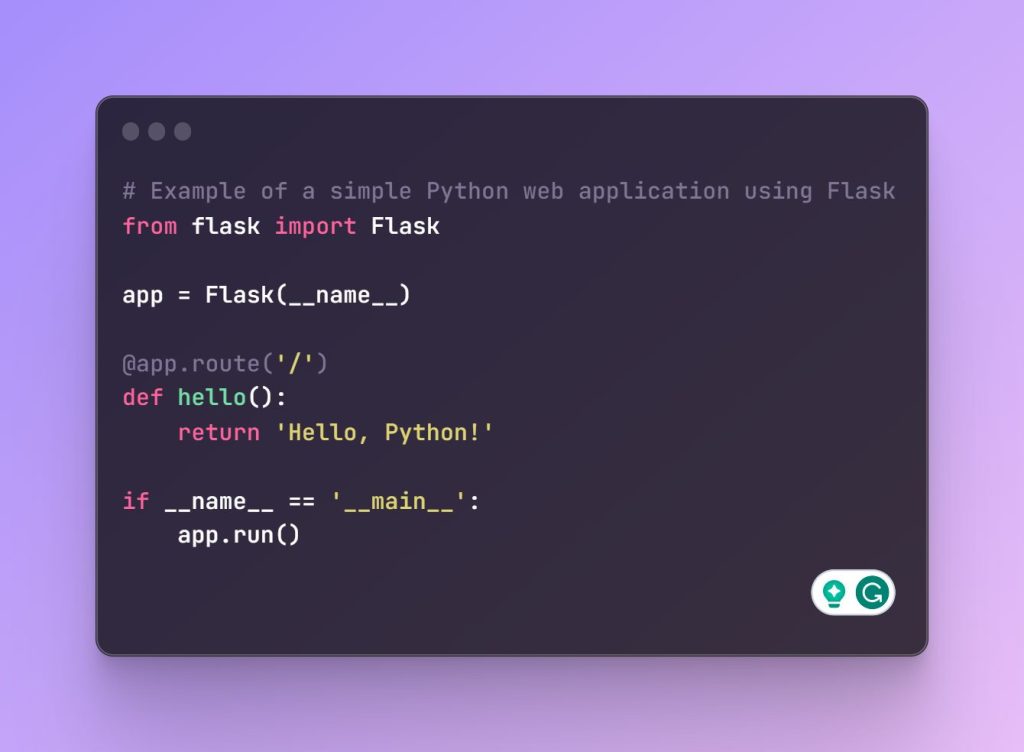
Python is not known for its raw speed and performance, especially in comparison to languages like Node.js. Python's Global Interpreter Lock (GIL) limits multi-threading, which can impact its ability to handle high concurrency efficiently. However, it's important to note that Python can still deliver good performance when used with the appropriate optimizations and in the right scenarios.
The strength of Python lies in its versatility and ease of use. When it comes to CPU-bound tasks and scenarios where speed isn't the primary concern, Python can excel. Additionally, Python's extensive ecosystem of libraries and frameworks makes it a valuable choice for a wide range of web development projects, from content management systems to data analysis platforms.
Node VS Python
The comparison between Node.js and Python based on the discussed factors:
| Factor | Node.js | Python |
|---|---|---|
| Performance and Speed | Excels in non-blocking, event-driven architecture. Suitable for real-time interaction and low latency. | Good performance with appropriate optimizations, but not as fast as Node.js. Suitable for various applications. |
| Scalability | Efficiently handles large numbers of concurrent connections, scales horizontally. | Better suited for CPU-bound tasks, vertical scaling. |
| Community and Ecosystem | Vibrant community, rich npm ecosystem. | Strong community, extensive libraries, especially in scientific computing and machine learning. |
| Learning Curve | Steeper for those new to JavaScript. Relatively straightforward for developers with JavaScript experience. | Simple and readable syntax, suitable for beginners and those transitioning from other languages. |
Use Cases and Best Practices
When to Choose Node.js for Web Development
- Real-time applications (e.g., chat applications, online gaming).
- Projects requiring high concurrency and low latency.
- When you have JavaScript expertise on your team.
When to Choose for Python in Web Projects
- Content management systems and e-commerce platforms.
- Data science and machine learning applications with web interfaces.
- When you prioritize simplicity and readability.
Ultimately, the decision should align with your project's goals, scalability requirements, and the skill set of your development team. Both Node.js and Python have thriving ecosystems and communities, making them powerful tools in the hands of capable developers.
Conclusion
In this comparative analysis, we've explored the strengths and weaknesses of Node.js and Python for web development. Both technologies have their unique advantages and use cases. The choice between them ultimately depends on your project's specific requirements and your team's expertise.
As you embark on web development projects, consider the factors discussed in this article, and make a well-informed decision that aligns with your project's goals. Node.js and Python are powerful tools in the web development toolbox, and knowing when to use each will be key to your success.